
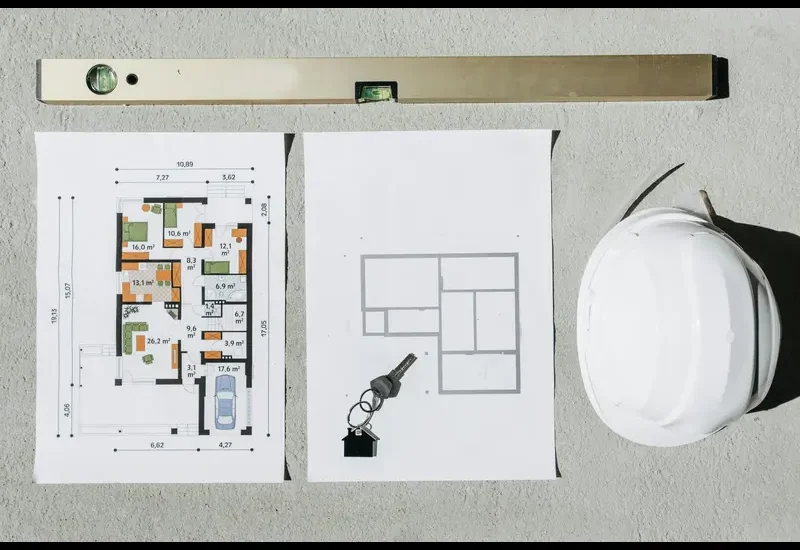
Choosing the right house construction company is crucial for a smooth home-building experience. Homeowners often underestimate the impact of this decision, the wrong builder can cause major delays, unexpected costs, and even structural problems. This guide breaks down everything you need to vet and compare builders.
Why the Right Builder Matters
Your choice of builder affects your budget, timeline, and final quality. Home-building isn’t just a construction project; it’s a life-defining decision. A good builder turns your vision into reality, while a poor match can lead to stress and costly mistakes. As one contractor article warns, hiring the wrong builder “can cost you more than money” due to delays, miscommunication, or low-quality work. In short, the right partner builds trust and keeps your project on track.
Define Your Requirements
Before interviewing builders, know what you want. List your must-haves: architectural style (modern villa, cottage, etc.), customization level, ideal size, and finish quality. Set a realistic budget and timeline. Industry experts advise asking yourself questions like: What finishes are non-negotiable? What investment range am I comfortable with? What timeline is realistic?. Clear answers will guide you to builders who specialize in your vision and prevent future redesigns.
Check Experience and Portfolio
Experience matters—but don’t just look at years in business. Review each builder’s portfolio of completed homes. Does their work match the style and quality you want? One guide notes that real craftsmanship shows in thoughtful layouts and material choices, not just in photos of kitchens and bathrooms. Ask for references and visit actual projects if possible. Seeing a builder’s finished homes (and even one under construction) will reveal workmanship and attention to detail. Avoid contractors who have never built a similar home type e.g., a remodeler who hasn’t done new construction may struggle with an entire home build.
Evaluate Services Offered
Decide if you need a full-service (turnkey) builder or something more limited. A turnkey construction company handles everything from architectural design and permits to construction and interior finishing. This can greatly simplify your life: they “take on all aspects of the construction process” so you essentially “turn the key” and move into a finished home. Verify that the builder offers the specific services you need (e.g. design, structural engineering, approvals, utilities, landscaping, etc.). Companies that offer true end-to-end service provide a single point of contact and often guarantee cohesive quality across all phases.
Transparency in Pricing and Contracts
Transparent pricing is essential. A reputable builder will provide a detailed written estimate with clear cost breakdowns for materials, labor, and allowances. Beware of overly vague bids or hidden fees. Ask for explanations of how prices are determined and how change orders are handled. Experts caution against choosing solely on the lowest quote – “price without context can hide serious problems”. Also ensure any contract is complete and clearly outlines scope, payment schedule, warranties, and what happens if there are delays. Having everything in writing prevents future disputes.
Licenses, Insurance & Compliance
Always verify that the builder is licensed and insured. Check local or state licensing boards for active status and past violations. For example, Florida’s licensing database (or your own state’s board) reveals if a builder’s license is up-to-date and shows any disciplinary history. Make sure they carry general liability and workers’ compensation insurance; otherwise, accidents on site could become your responsibility. Memberships in professional associations (like a home builders’ association) are a plus, as they signal commitment to industry standards. Checking the Better Business Bureau or similar rating agencies can also reveal any customer complaints or unresolved issues.
Read Reviews and Testimonials
Do your homework on reputation. Look beyond the star ratings: read recent online reviews for mentions of quality, communication, and problem-solving. Reviews on multiple platforms (Google, Facebook, Houzz, etc.) give a fuller picture – beware if a builder only has perfect reviews on one site. Ask the company for references from clients who built homes in the last year, and speak with them directly: Did the project stay on time and budget? How was the builder’s responsiveness? Satisfied customers and transparent review responses from the builder are good signs.
Communication and Project Management
Smooth communication is key. Make sure you feel comfortable with the builder’s process from the first meeting. Will they assign a dedicated project manager? How often will they update you on progress? Industry experts advise paying close attention to how well the builder listens and explains things. Do they outline realistic timelines and milestones? Are estimates itemized in writing? Good builders keep you in the loop and respond promptly to questions. A structured process with regular check-ins and documented decisions helps avoid surprises.
Compare Multiple Companies
Don’t settle on the first company. Interview at least 2–3 builders to compare quotes, services, and compatibility. Researching and comparing multiple bidders gives you “a clearer sense of how different builders work” and what real value looks like. Share your vision and get a feel for each team’s professionalism. A panel of recent homebuyers even rated having a step-by-step build process and written guarantees for costs and timelines as top priorities. Weigh each company on overall value, not just price – consider portfolio strength, customization options, and how well they address your questions.
Red Flags to Watch For
Be on alert for warning signs:
- Unrealistically low bids (it may signal poor planning or low materials).
- Vague or verbal contracts (always get detailed agreements in writing).
- Poor communication during bidding (if they’re disorganized now, it could worsen on site).
- Negative reviews about missed deadlines or cost surprises.
- No license or insurance.
If something feels off, a builder avoids questions or rushes you to sign – trust your instincts. It’s better to take time than to end up in a dispute or delayed project.
Final Checklist Before You Decide
Before signing on, make sure you’ve done the following:
- Defined your priorities (style, budget, timeline) and shared them.
- Reviewed portfolios and talked to past clients.
- Confirmed services (design, build, finishes) match your needs.
- Understood pricing and contract terms fully.
- Verified licenses, insurance, and associations.
- Read recent reviews and notes of any recurring issues.
- Checked communication style, they should have a clear point of contact and process.
- Compared at least 2–3 bids on overall value.
Conclusion
Building your dream home is a big investment, and the right house construction company makes all the difference. A professional, full-service builder will manage every detail from initial design and permits to handing you the keys – with quality and transparency. In contrast, the wrong choice can lead to frustration and extra costs. Take the time to research, ask the right questions, and follow this guide’s checklist. When you partner with a qualified, communicative construction firm (like Hireandbuild, known for its transparent pricing and on-time handovers), you’ll move into your new home smoothly and with confidence.