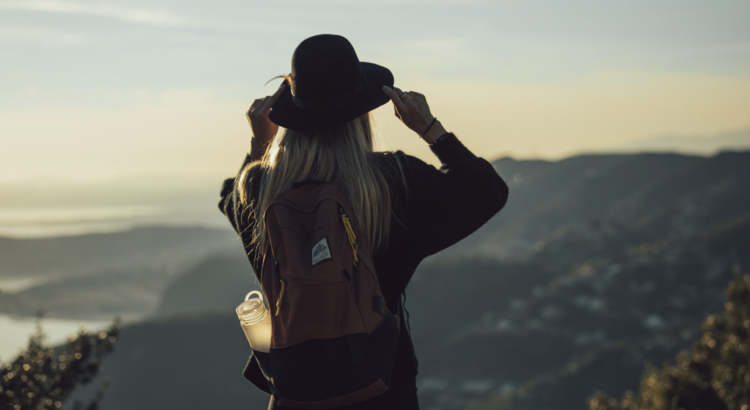
Imagine stepping off a train in an unfamiliar town at dawn, the sun rising over rooftops and no one waiting at the station to guide you. This is exactly the scenario I found myself in on my first solo trip a mix of thrill and nervous excitement. Traveling alone can feel like stepping into a story whose ending is still unwritten. But what starts as a leap into the unknown often transforms into one of life’s most enriching experiences. Solo travel forces you to rely on yourself and immerse fully in the moment.
Taking the Plunge
The first morning I woke up alone in a foreign city, I felt a flutter of anxiety. Where should I explore first? Without friends or guides to follow, every decision was mine. It was terrifying and thrilling. I quickly realized that solo travel demands independence. Every meal, every train ticket, every museum visit was my choice. In making those choices without “the support of another,” I noticed something changing in me: I started to trust myself more. Simple acts like buying groceries in a language I barely knew felt empowering. As one travel blogger observes, day-to-day decision-making on the road “helped me build confidence”. By the end of that first week, I had navigated a city center alone, negotiated taxis, and even guided new friends, all on my own. The pride I felt was proof that solo travel can instantly boost your self-reliance.
Freedom and Flexibility
Solo travel grants a rare kind of freedom. There’s no one else’s agenda you set the rules. Want to spend hours at a single temple or sleep in past noon? Go ahead. Prefer to change plans at the last minute? That flexibility is yours. As a fellow traveler summed up, when you travel alone you gain “complete freedom and flexibility to build your own schedule and go at your own pace”. During my trips I enjoyed lazy afternoons people-watching in a park, followed by impromptu hikes at sunset. If I didn’t feel like chatting, I simply used headphone and book as a “do not disturb” sign. In short, solo travel taught me that it’s okay to put myself first, even if just for a little while.
Immersing in the Moment
Without companions to chat with, a solo traveler becomes a keen observer of the world. I discovered corners of cities I’d never have noticed otherwise: a quiet back alley with street art, a tiny bakery where only locals queued, or a moment of music in a public square. Psychology writers note that when traveling alone, you have access to “many more thoughts and sensations” because you’re not distracted by others. This rang true in my experience: I remember sitting alone at a café, feeling the breeze and really listening to the language around me every detail felt sharper and more vivid. Solo travel opened my mind to new ways of seeing.
Connecting with the World
Despite being “solo,” I never felt lonely for long. In fact, traveling alone often made me more outgoing. Struck by a sudden interest or simply needing directions, I found myself striking up conversations with strangers – fellow travelers and locals alike. There’s something uniquely freeing about chatting with someone knowing you’ll probably never meet again. One travel expert notes that alone on the road, people realize they are interesting to others and often become more assertive and open. I experienced this firsthand: at a hostel in a mountain village, I joined a small group for dinner and ended up sharing stories with a hiker from across the country. Moments like that showed me that when you’re alone, your need to connect can overcome shyness. By the trip’s end, I had a dozen new acquaintances and a broader sense of camaraderie with humanity.
Embracing the Experience
Looking back, that solitary journey changed me in ways I hadn’t expected. I returned home with more confidence, a clearer sense of what I enjoy, and a quiet pride in having relied only on myself. Traveling alone taught me to be comfortable in my own company to enjoy a museum visit at sunrise or a street meal with just my thoughts. Psychologists argue that solo travel improves self-trust and independence, and I found that to be true. Most importantly, the experience forced me out of routines and into living deliberately.
Everyone should try traveling alone at least once. It is a crash course in adaptability and self-reliance, and the stories you gain are truly your own. Whether you return with breathless tales of adventure or a newfound calm and clarity, solo travel delivers a kind of personal growth that sitting on a tour bus never can. In my case, stepping onto that empty platform was the beginning of a lifelong journey of discovery. Yours might be too.